Menu
01355 208895 |
 
Festival Park
 
Home | Projects | Festival Park | Page 3

Festival Park

Covanburn Projects


Client Glasgow City Council
Value £135,000
Location Glasgow

The Brief

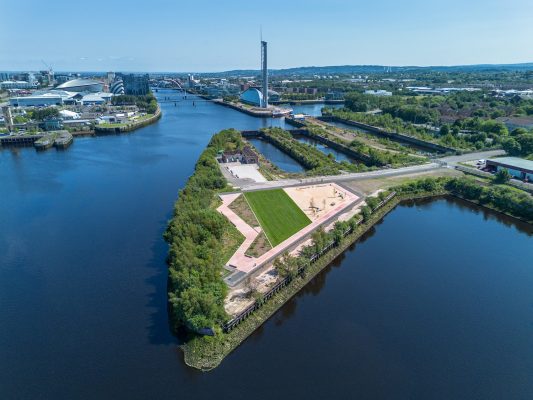
Festival Park is located in the Govan area of Glasgow, which has been the focus of a number of redevelopment and regeneration projects in recent years.

Sitting alongside the River Clyde, Govan was at the heart of Glasgow’s industrial glory at the height of the city’s shipbuilding history in the late 19th and early 20th centuries. It is a well-known, historic part of the city.

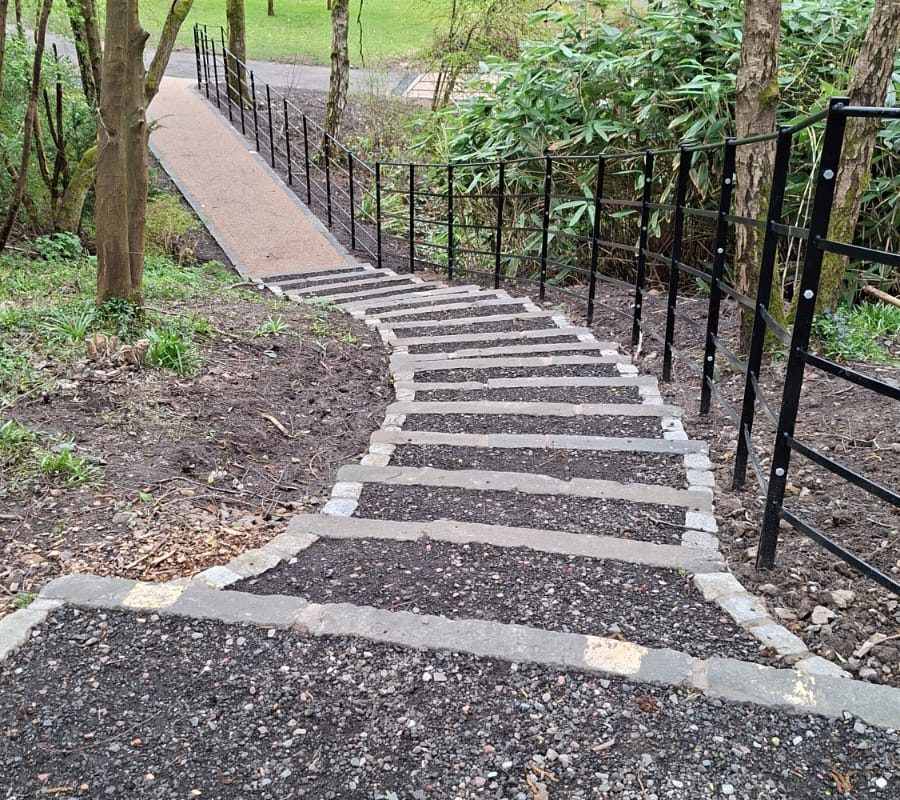
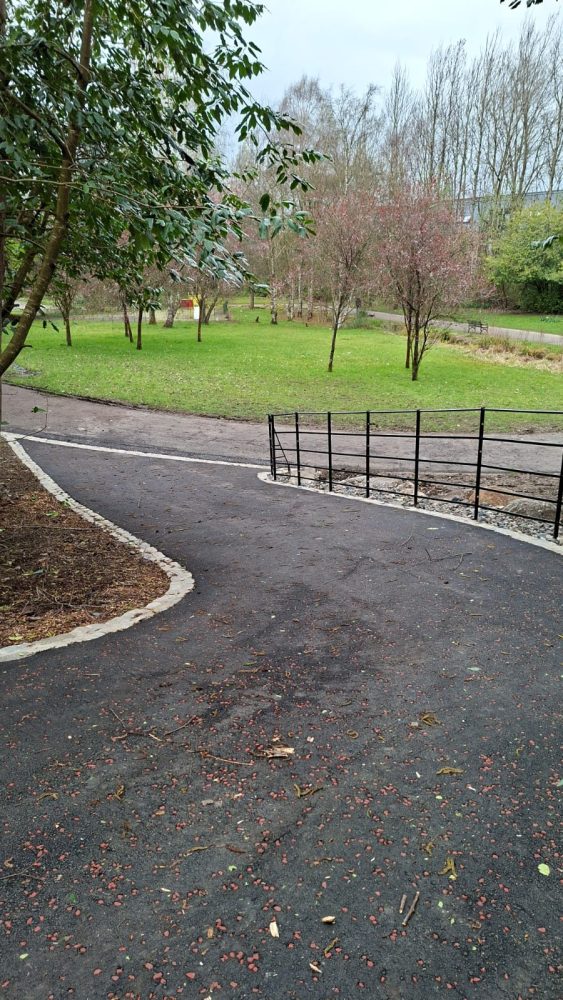
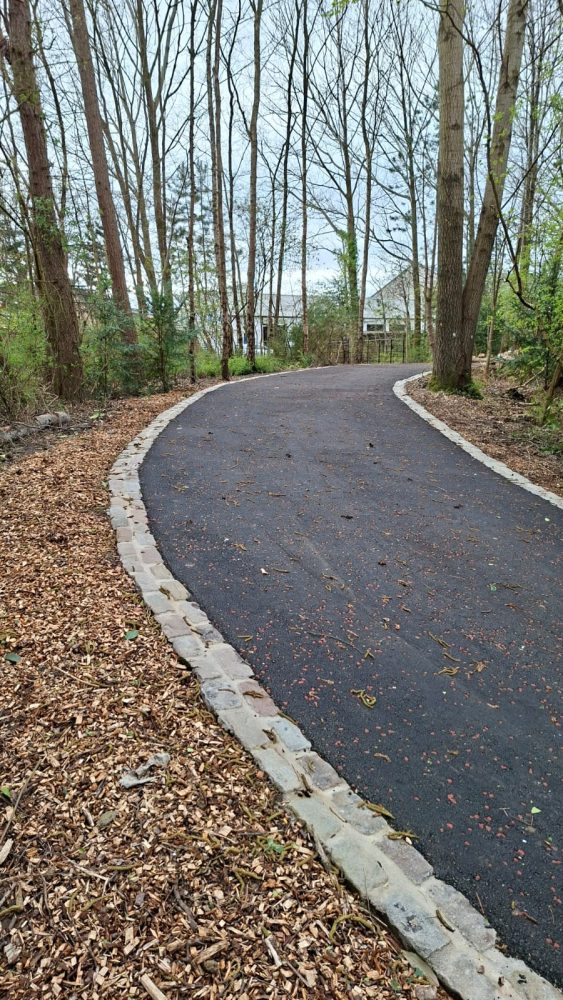
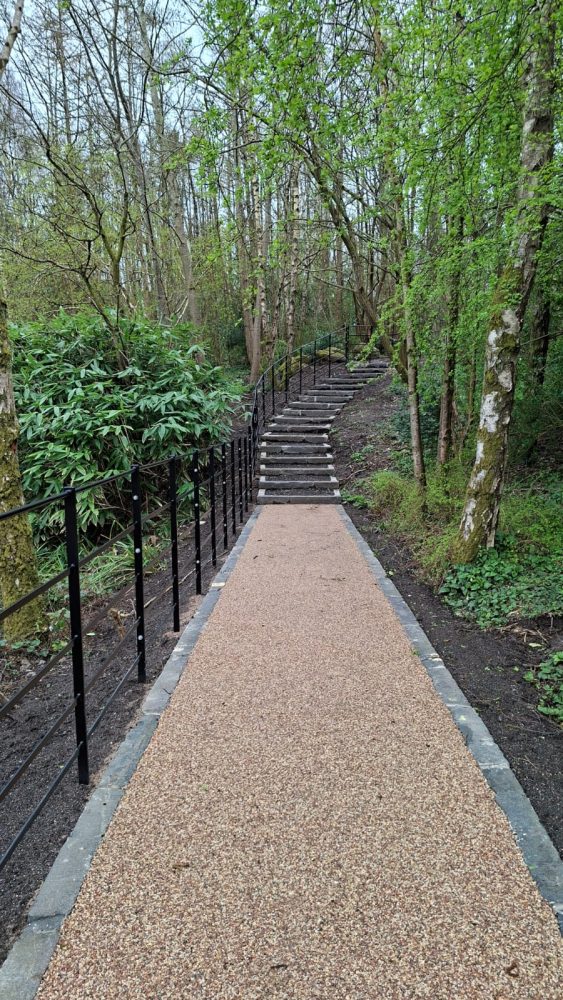
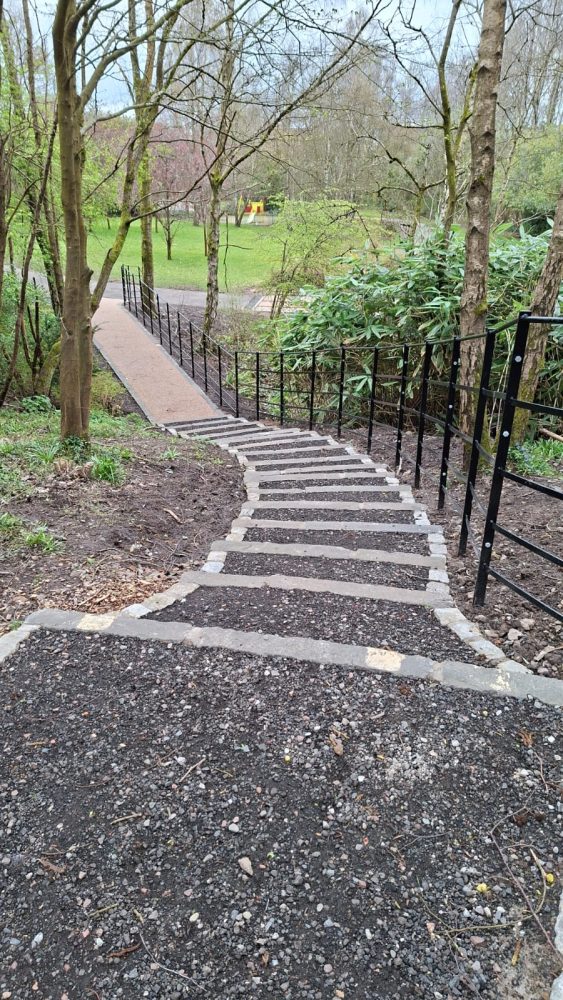
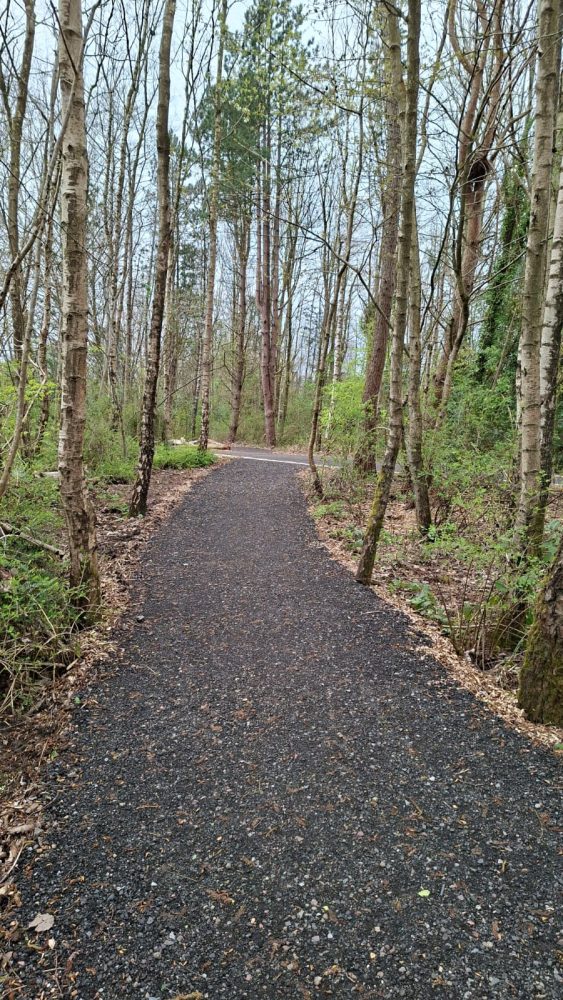
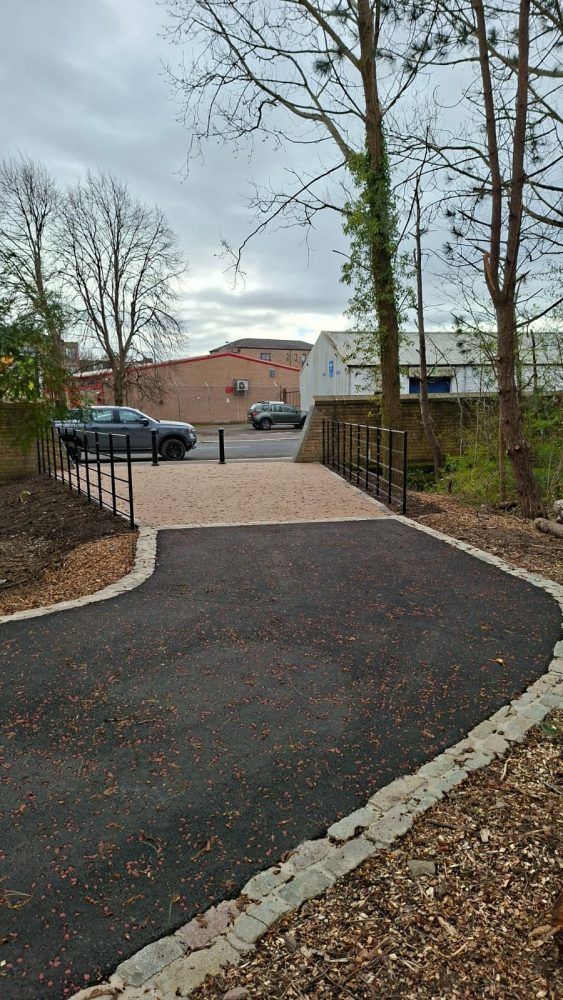
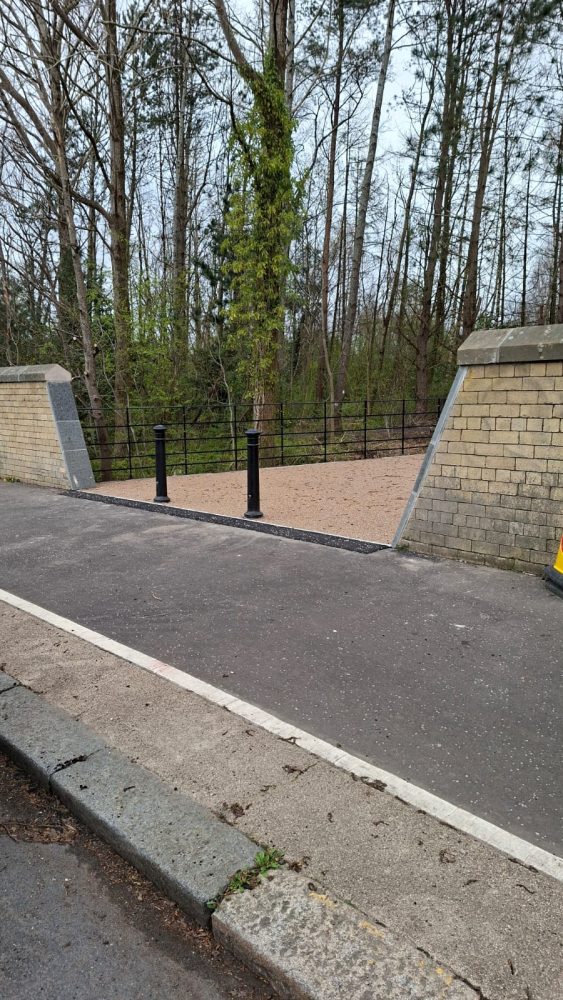
At Festival Park, Covanburn was appointed to develop some derelict land in the park into new walk and cycle pathways, and to create a new entrance to the park off Govan Road.

An area popular with pedestrians and dog walkers, locals were pleased to see the creation of a path network through the wooded area of the park.

The result was a striking change for the park, making not only practical changes to the use of the park but aesthetic improvements, too.

The Technical Bit

The works included:

What We Loved About This Project


A section of the path we laid at Festival Park was connected up to the Route 7 cycle path which runs between Inverness and Sunderland. It stretches 540 miles, takes over 45 hours to cycle, more than 182 hours to walk, and now it has a stop in Govan. We thought that was pretty cool!
The Result

 
This website uses cookies
This site uses cookies to enhance your browsing experience. We use necessary cookies to make sure that our website works. We’d also like to set analytics cookies that help us make improvements by measuring how you use the site. By clicking “Allow All”, you agree to the storing of cookies on your device to enhance site navigation, analyse site usage, and assist in our marketing efforts.
These cookies are required for basic functionalities such as accessing secure areas of the website, remembering previous actions and facilitating the proper display of the website. Necessary cookies are often exempt from requiring user consent as they do not collect personal data and are crucial for the website to perform its core functions.
A “preferences” cookie is used to remember user preferences and settings on a website. These cookies enhance the user experience by allowing the website to remember choices such as language preferences, font size, layout customization, and other similar settings. Preference cookies are not strictly necessary for the basic functioning of the website but contribute to a more personalised and convenient browsing experience for users.
A “statistics” cookie typically refers to cookies that are used to collect anonymous data about how visitors interact with a website. These cookies help website owners understand how users navigate their site, which pages are most frequently visited, how long users spend on each page, and similar metrics. The data collected by statistics cookies is aggregated and anonymized, meaning it does not contain personally identifiable information (PII).
Marketing cookies are used to track user behaviour across websites, allowing advertisers to deliver targeted advertisements based on the user’s interests and preferences. These cookies collect data such as browsing history and interactions with ads to create user profiles. While essential for effective online advertising, obtaining user consent is crucial to comply with privacy regulations.