Menu
01355 208895 |
 
Newton Pathways
 
Home | Projects | Newton Pathways

Newton Pathways

Covanburn Projects


Client Ironside Farrar
Value £373,000
Location Newton

The Brief

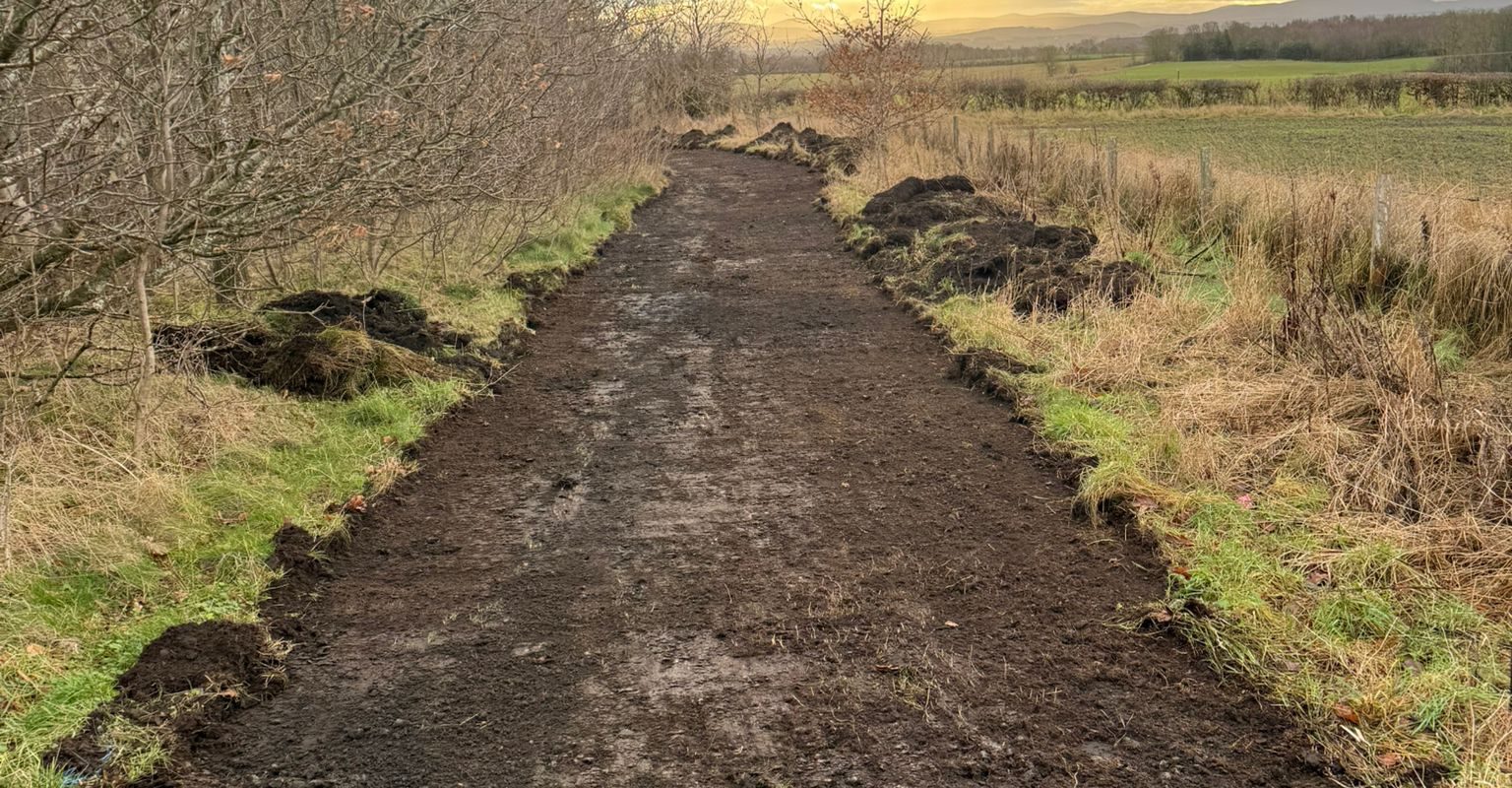
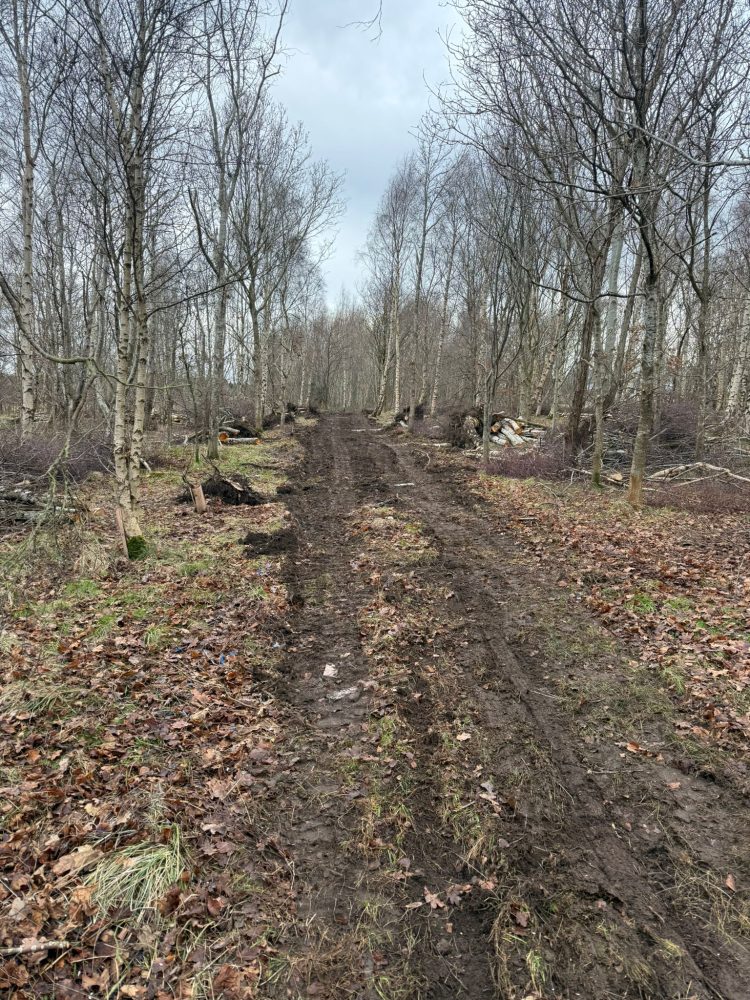
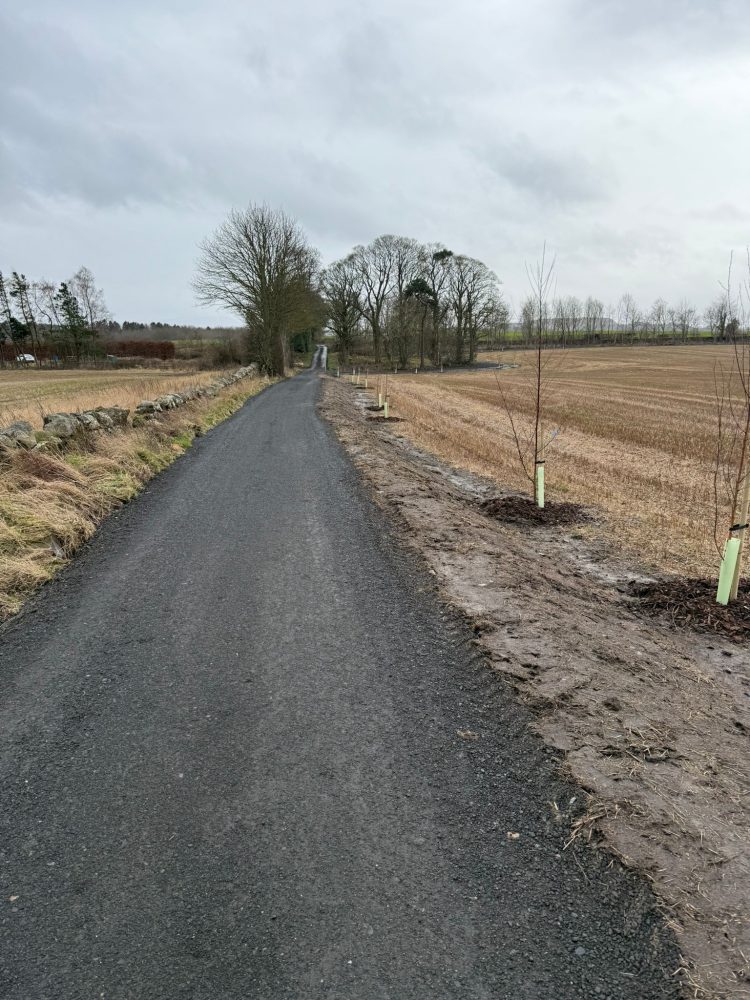
Covanburn was appointed to create a new public pathway between Newton in West Lothian and nearby Duntarvie after the local Newton Village Community Council delivered an incredible example of what community spirit and community organisation can achieve.

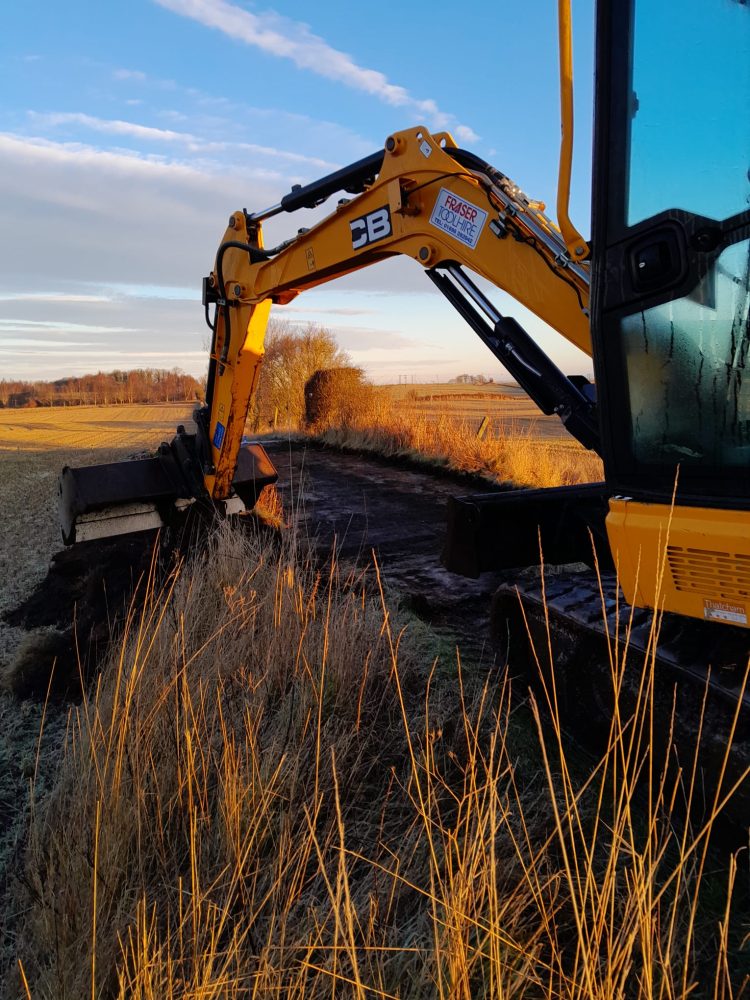
Until now, residents of Newton had no off-road route linking it to Duntarvie and providing access to Winchburgh. Rather than wait for something to happen, the Newton community made it happen by themselves. They obtained funding and support from Walking Scotland, Transport Scotland and Walk Wheel Cycle Trust. Ironside Farrar took care of the design and we took care of the construction.

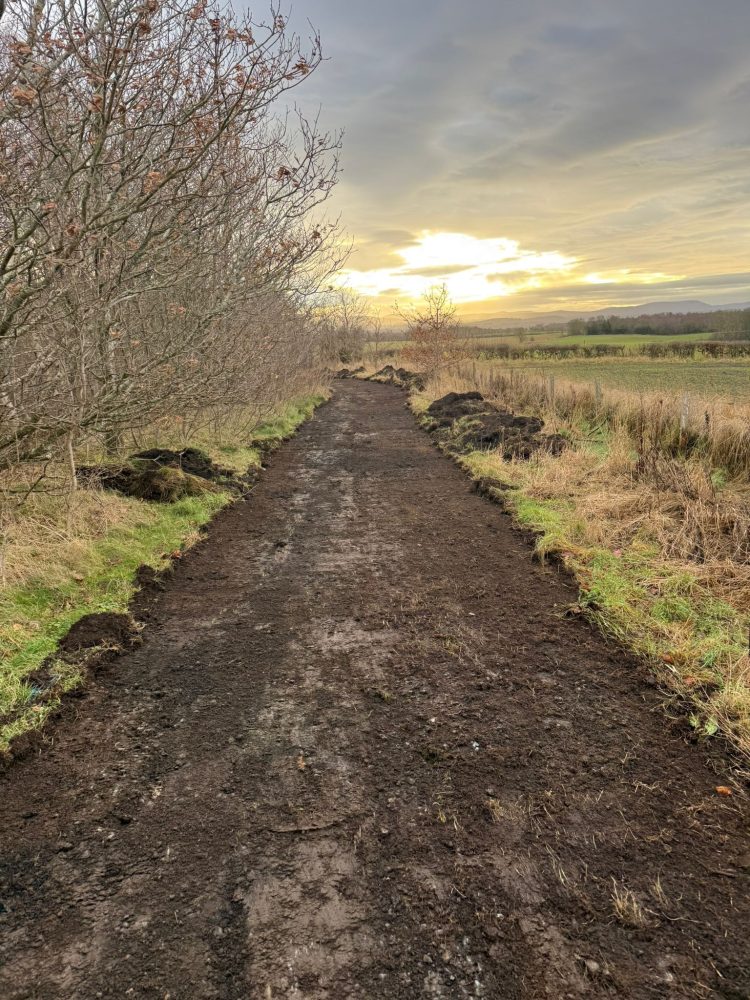
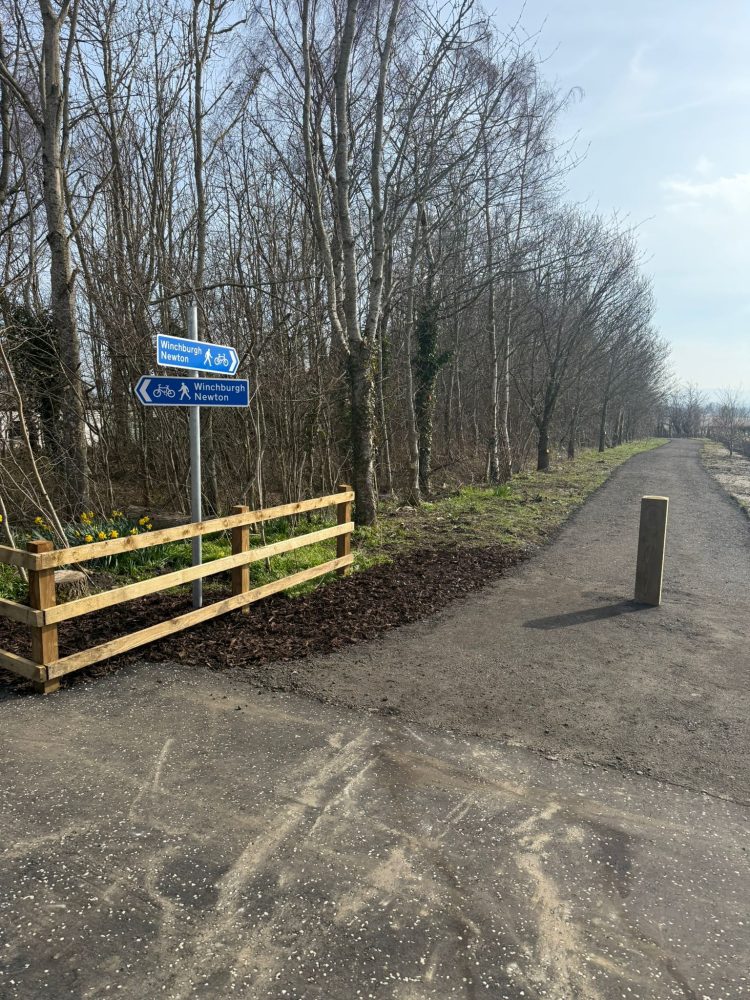
The result is a brand new cycle and footpath for the community, giving them safer access to surrounding amenities and allowing children a safer route towards school.

The Technical Bit

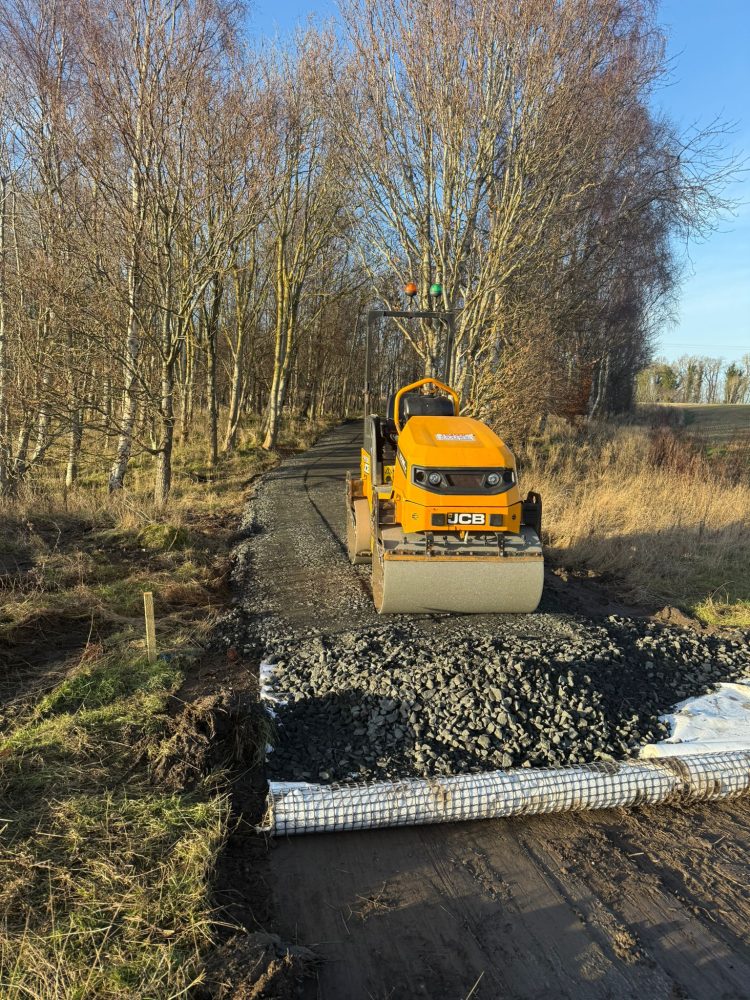
The works included:

What We Loved About This Project

We loved the community spirit and enthusiasm for this project. What may seem like just a path to an outside eye was actually a vital connection for the small village of Newton, giving local residents safer, off-road options to access nearby areas. This was something they really cared about and that spirit came through loud and clear when we began our part in the project. For us it felt like we were on the journey with them and it was so rewarding to see how happy they were with the finished result.
The Result

 
This website uses cookies
This site uses cookies to enhance your browsing experience. We use necessary cookies to make sure that our website works. We’d also like to set analytics cookies that help us make improvements by measuring how you use the site. By clicking “Allow All”, you agree to the storing of cookies on your device to enhance site navigation, analyse site usage, and assist in our marketing efforts.
These cookies are required for basic functionalities such as accessing secure areas of the website, remembering previous actions and facilitating the proper display of the website. Necessary cookies are often exempt from requiring user consent as they do not collect personal data and are crucial for the website to perform its core functions.
A “preferences” cookie is used to remember user preferences and settings on a website. These cookies enhance the user experience by allowing the website to remember choices such as language preferences, font size, layout customization, and other similar settings. Preference cookies are not strictly necessary for the basic functioning of the website but contribute to a more personalised and convenient browsing experience for users.
A “statistics” cookie typically refers to cookies that are used to collect anonymous data about how visitors interact with a website. These cookies help website owners understand how users navigate their site, which pages are most frequently visited, how long users spend on each page, and similar metrics. The data collected by statistics cookies is aggregated and anonymized, meaning it does not contain personally identifiable information (PII).
Marketing cookies are used to track user behaviour across websites, allowing advertisers to deliver targeted advertisements based on the user’s interests and preferences. These cookies collect data such as browsing history and interactions with ads to create user profiles. While essential for effective online advertising, obtaining user consent is crucial to comply with privacy regulations.