Menu
01355 208895 |
 
Road Rail Bridge Drumfochar Road
 
Home | Projects | Drumfochar Road Kerbing | Page 3

Drumfochar Road Kerbing

Covanburn Projects


Client Inverclyde Council
Value £45,000
Location Inverclyde

The Brief

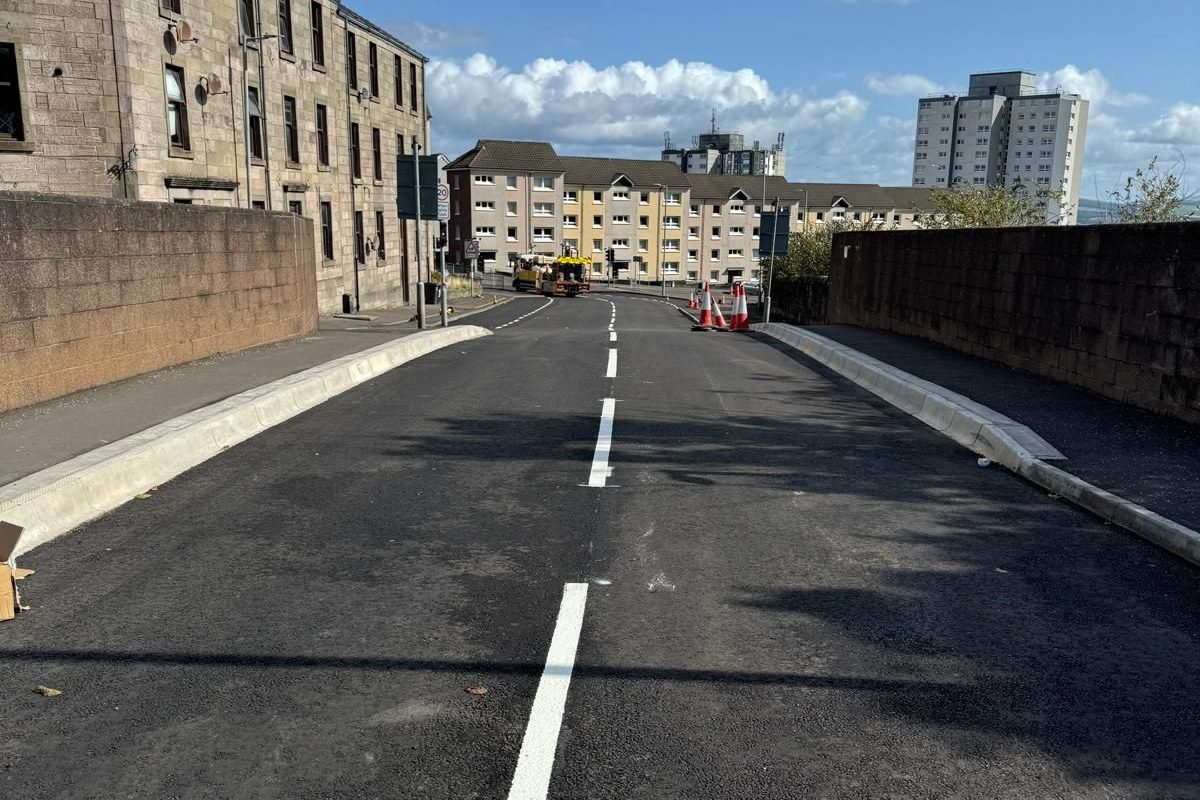
After a structural assessment carried out by AECOM on behalf of Network Rail discovered weakness in the structure elements underneath the footways of Drumfrochar Road, we were commission to increase the kerb height in order to remove the risk of accidental wheel loading on those elements.

The footways were situation on the Drumfrochar Road Rail Bridge, which carried traffic over the Glasgow-Wemyss Bay rail line. This project involved road diversions and pedestrian management during working conditions, and we liaised closely alongside Network Rail to ensure the project requirements were delivered on time. We also fully met the requirements using our in-house capabilities.

The Technical Bit

The works included:

What We Loved About This Project

Efficient use of time is very important in projects like these because the disruption caused to members of the public from road diversions and closed footways can cause a great deal of frustration. We view our deadlines like a challenge: we need to make sure we’re using all of our resources properly while anticipating any potentially disruptive factors (like the weather) to ensure that we can complete the job on time and get the flow of traffic moving again for our client.

Projects like these become like a race against the clock for us – and we love the challenge!

The Result


£45,000

3 Weeks
 
This website uses cookies
This site uses cookies to enhance your browsing experience. We use necessary cookies to make sure that our website works. We’d also like to set analytics cookies that help us make improvements by measuring how you use the site. By clicking “Allow All”, you agree to the storing of cookies on your device to enhance site navigation, analyse site usage, and assist in our marketing efforts.
These cookies are required for basic functionalities such as accessing secure areas of the website, remembering previous actions and facilitating the proper display of the website. Necessary cookies are often exempt from requiring user consent as they do not collect personal data and are crucial for the website to perform its core functions.
A “preferences” cookie is used to remember user preferences and settings on a website. These cookies enhance the user experience by allowing the website to remember choices such as language preferences, font size, layout customization, and other similar settings. Preference cookies are not strictly necessary for the basic functioning of the website but contribute to a more personalised and convenient browsing experience for users.
A “statistics” cookie typically refers to cookies that are used to collect anonymous data about how visitors interact with a website. These cookies help website owners understand how users navigate their site, which pages are most frequently visited, how long users spend on each page, and similar metrics. The data collected by statistics cookies is aggregated and anonymized, meaning it does not contain personally identifiable information (PII).
Marketing cookies are used to track user behaviour across websites, allowing advertisers to deliver targeted advertisements based on the user’s interests and preferences. These cookies collect data such as browsing history and interactions with ads to create user profiles. While essential for effective online advertising, obtaining user consent is crucial to comply with privacy regulations.