Cardross Bridge
Covanburn Projects
Client
Stirling Council
Value
£700,000
Location
Stirling

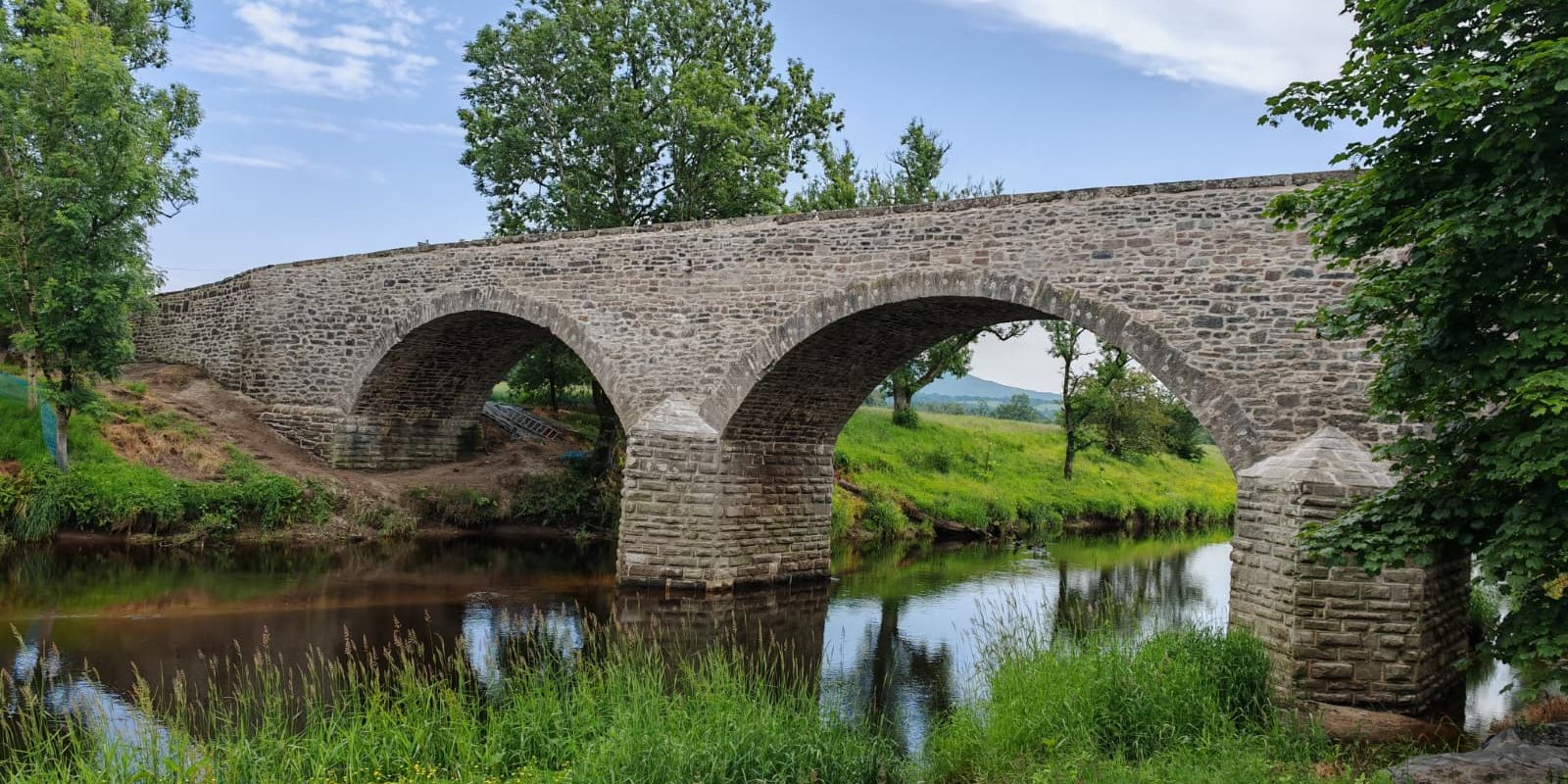
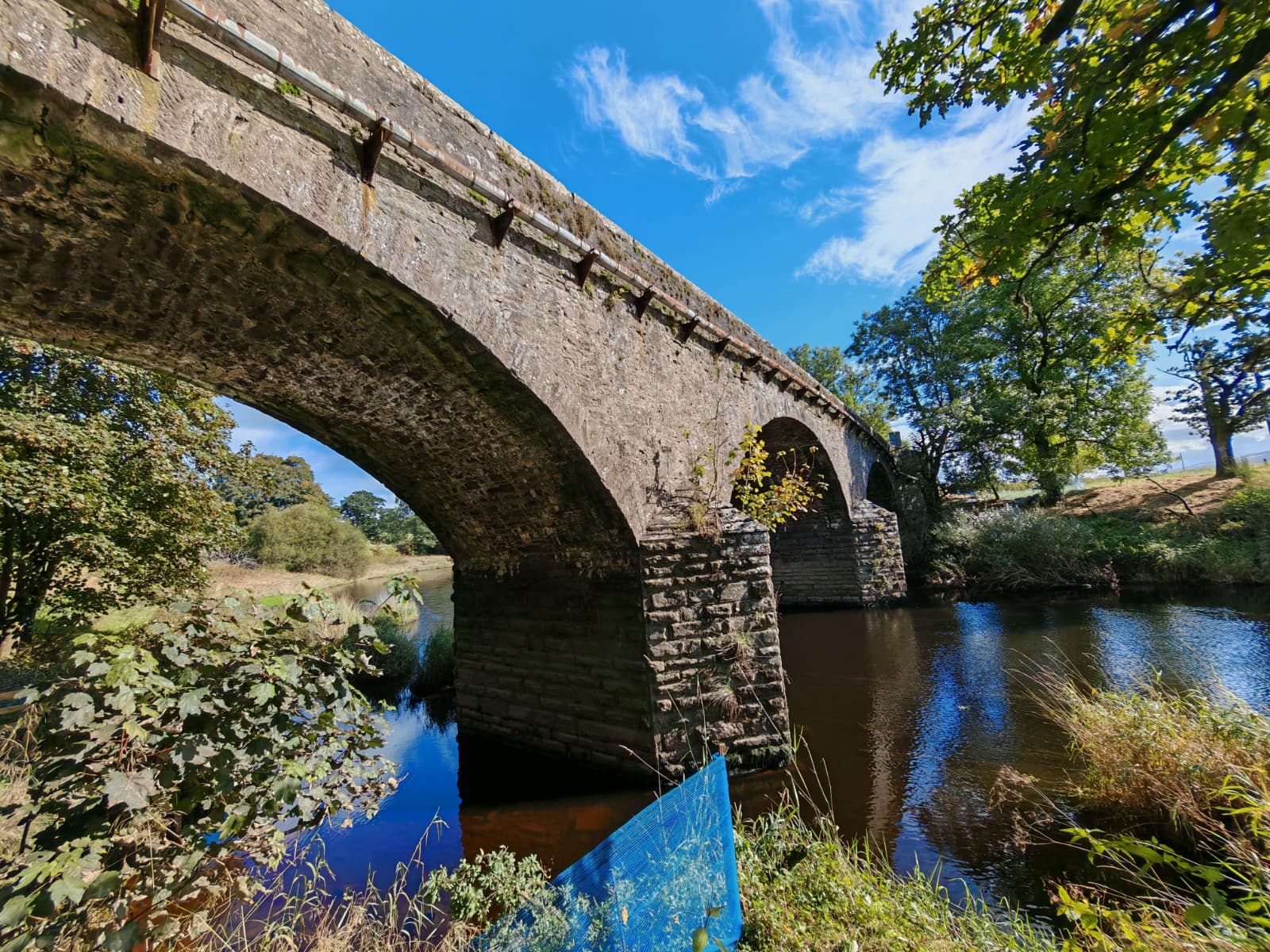
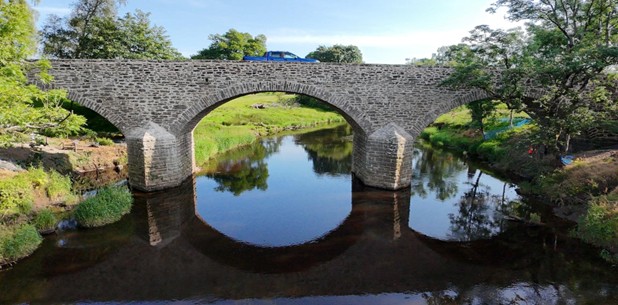
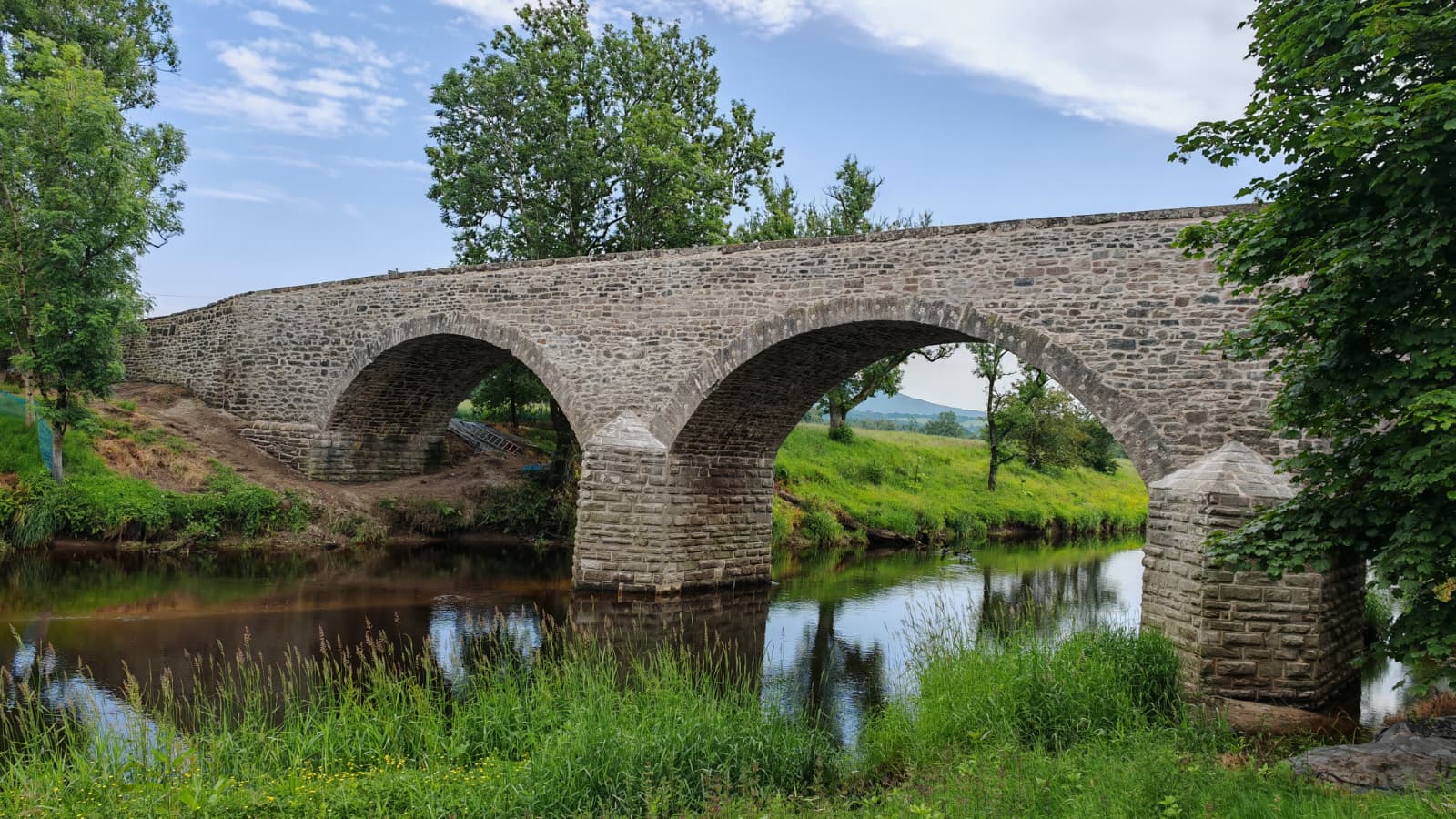
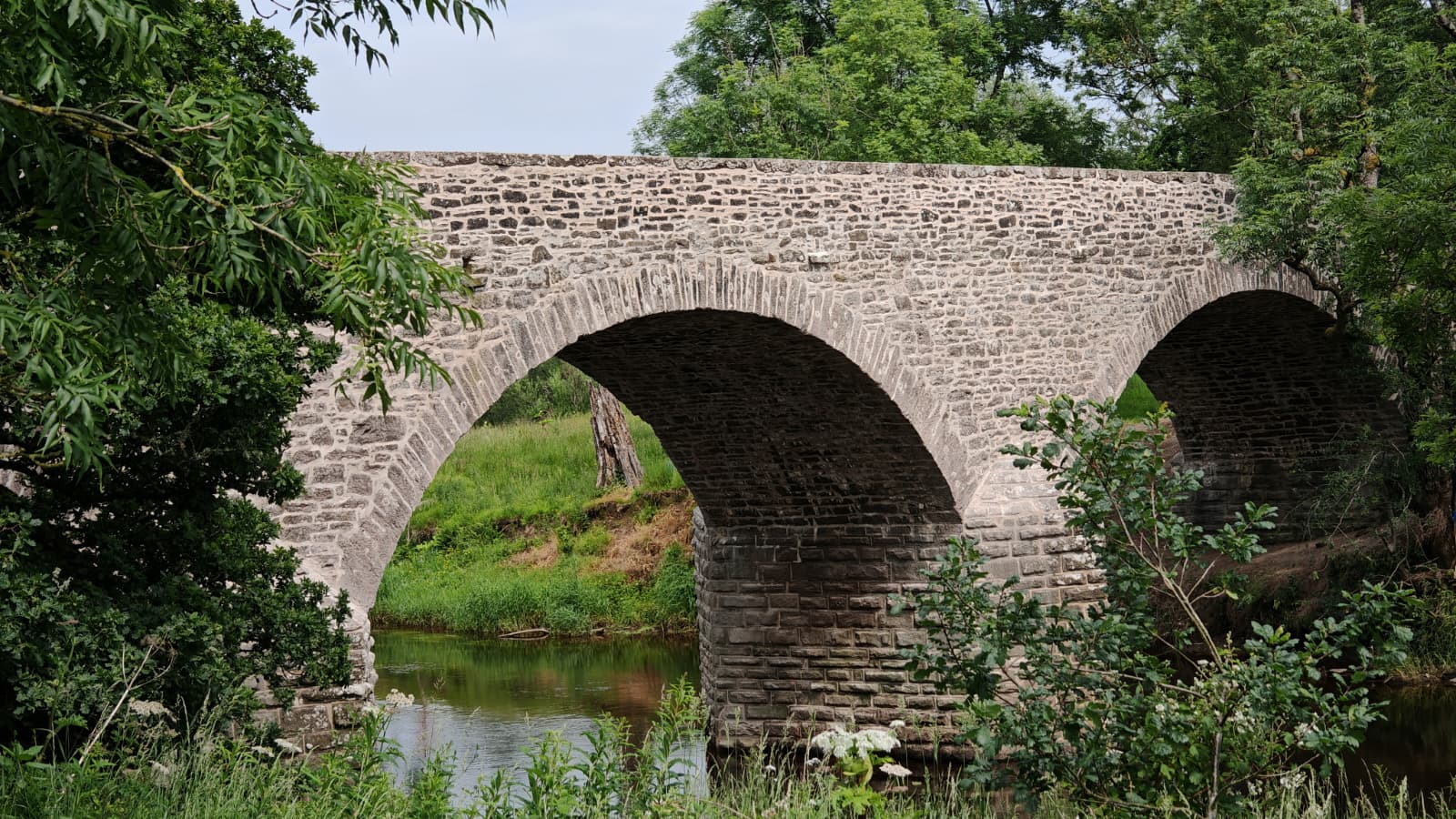
As well as being a busy, active transport link, Cardross Bridge is an important historical structure. This Category B listed stone bridge was built in 1774. Today it carries the B8034 over the River Forth.
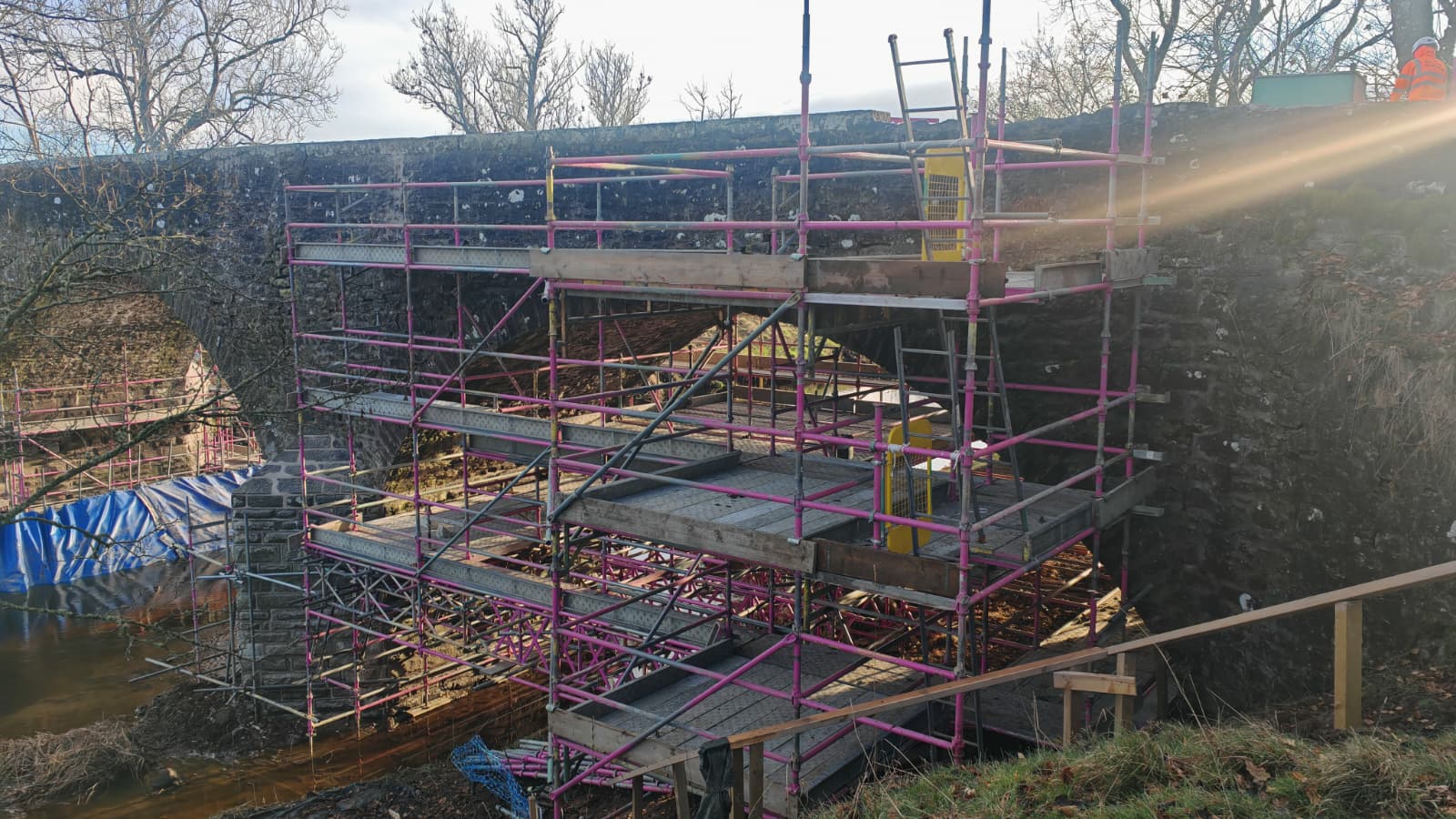
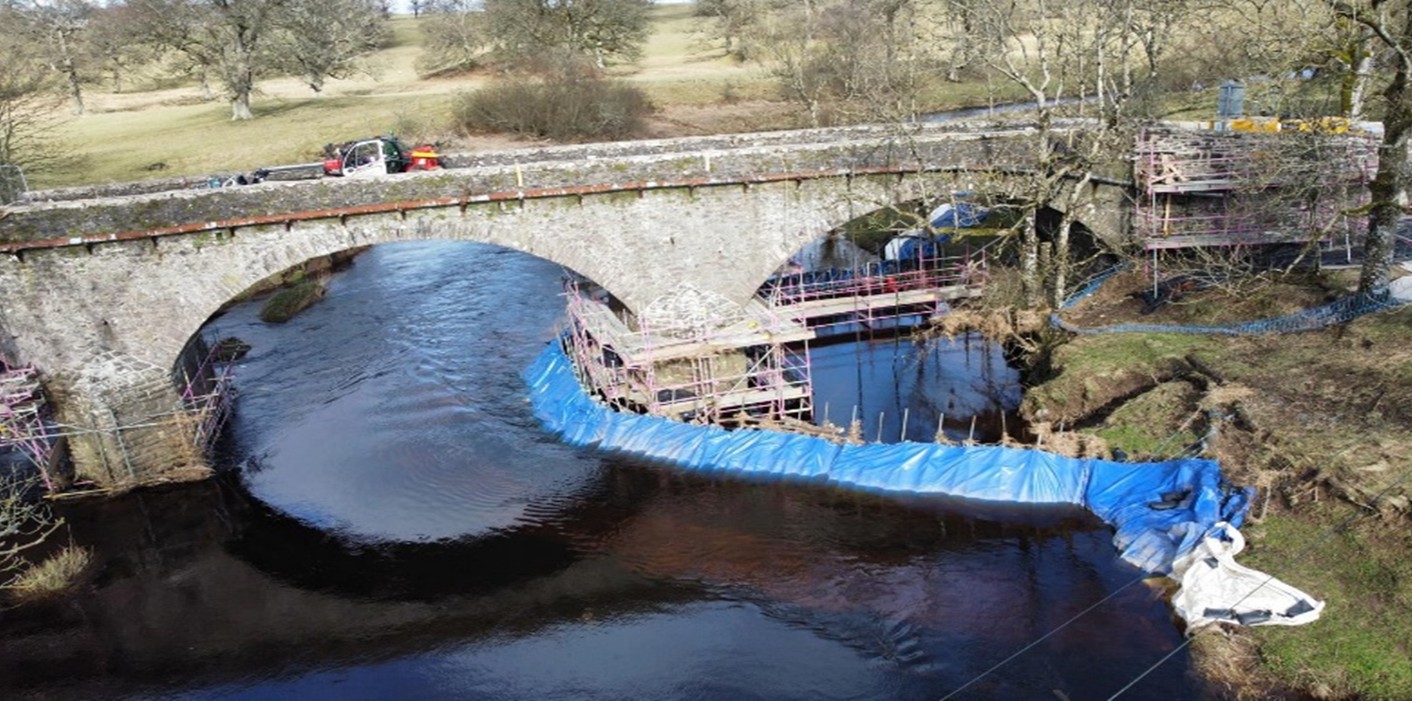
After structural investigations, Stirling Council commissioned us to carry out some major refurbishment works to secure the long term strength and stability of the bridge. This was a significant project which required closure of the bridge for a number of months.
One unexpected challenge we faced at Cardross Bridge was the discover of Fresh Water Mussels. These are a protected species, which meant we couldn’t carry out any works until their presence was no longer detected on site. While this unfortunately led to a delay of several months, we understand environmental requirements and how they can lead to disruptions a client may not have planned for. We monitor these aspects closely and we are always ready to adapt our plans accordingly.
Safety was paramount when we really got going with the works. We regularly use site-specific risk assessments, method statements and toolbox talks to ensure continuous adherence to health and safety standards. Our staff are also trained in water working and we provide them with all the necessary PPE required to carry out this type of work.
We successfully repaired and strengthened the bridge and it re-opened to the public after a nine-month closure. The works carried out will preserve the life and quality of the bridge, ensuring it is safe, stable and protected from the river water below for years to come.
The works included:
t’s sometimes a little mindboggling to try and imagine those workers and engineers who designed and built Cardross Bridge in the 1700s, and wonder what they would think if they could see the world now. Their solid original structure has been adapted over the years to sustain and support vehicles that hadn’t even been invented when the bridge was built. We love working on historical structures like these because they really get the imagination engines running.