Govan Walkway
Covanburn Projects
Client
City Design
Value
£800,000
Location
Glasgow

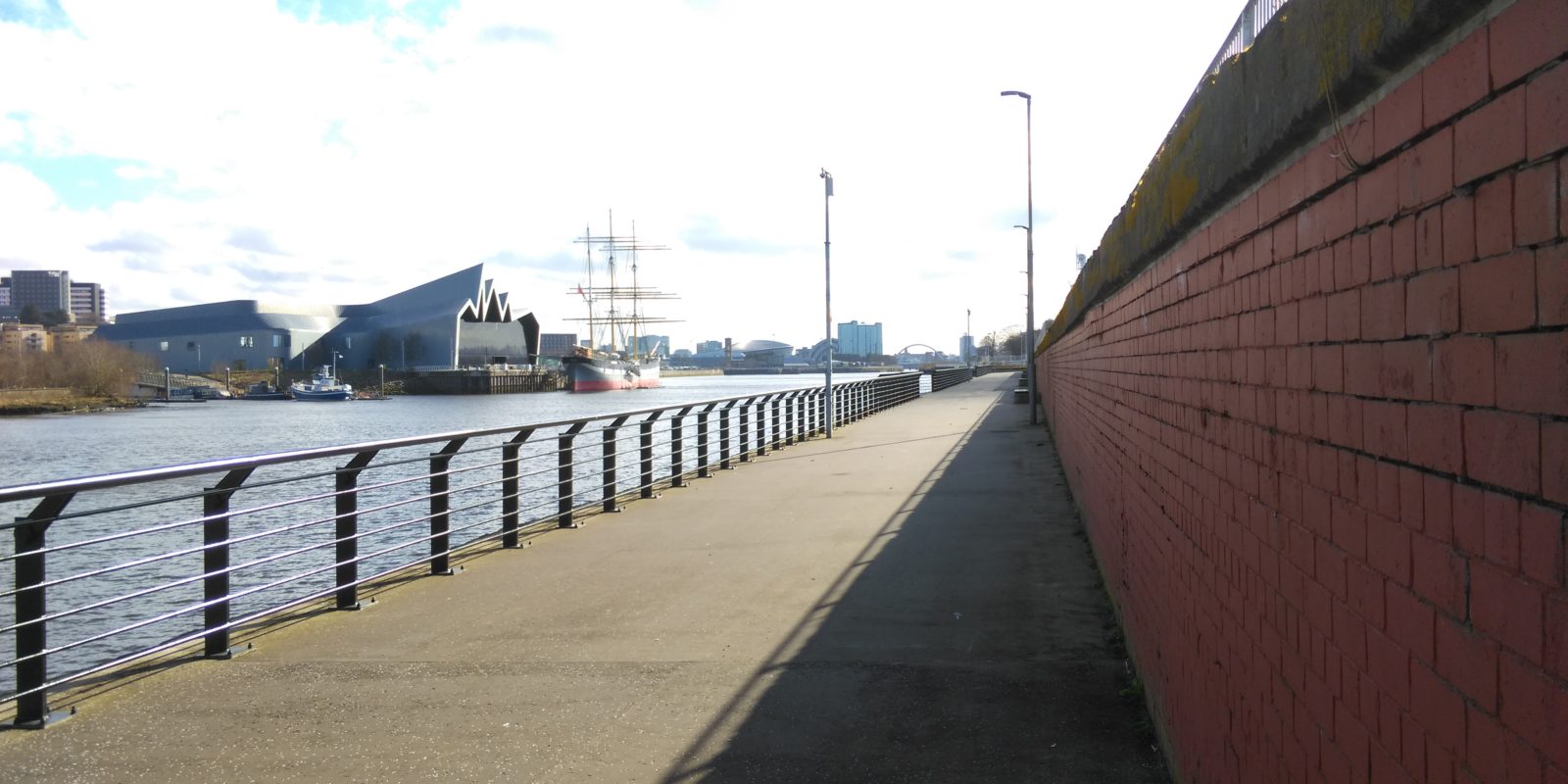
Glasgow’s River Clyde was once a heavy industrial hub of shipbuilding, famous across the world for its production of high-quality cargo ships, luxury liners and naval vessels. The great ships RMS Queen Mary and RMS Queen Elizabeth were built on the Clyde.
As times changed and demand declined, the shipyards began to wind down and close, leaving much of the Clydeside in a derelict state.
In recent years there has been a huge effort to regenerate the area and attract businesses and investment, as well as create new housing developments.
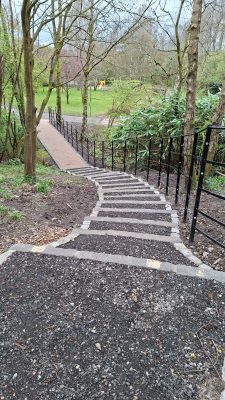
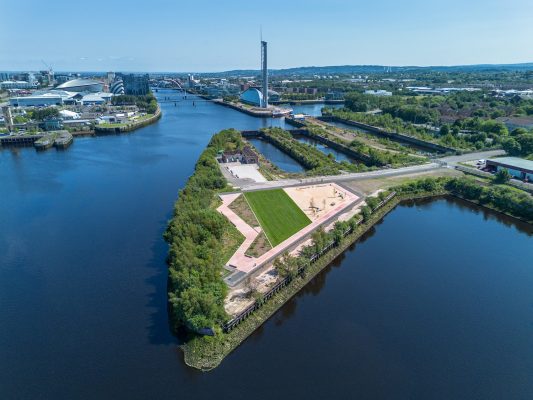
We’ve been involved in a significant parts of that regeneration and one of our tasks was the creation of a new walkway on the River Clyde around Govan Old Parish Church – a historic building home to a unique collection of medieval stones from the 9th-11th centuries. This involved embankment stabilisation, the installation of viewing platforms and the installation of lighting.
The works included:
It’s hard to overstate just how important the industrial history of the River Clyde is not only to Glasgow but to the whole of the UK. The shipyards were a crucial part of Britain’s war effort during the two world wars.
The derelict state of the Clydeside following the Clyde’s industrial decline was very sad to see, so to be part of its rebirth as a social, cultural and commercial hub has been incredibly exciting. It’s fantastic to see the area busy with locals using the space for a stroll or a jog, and tourists visiting the growing number of attractions, restaurants and hotels down by the Clyde.